
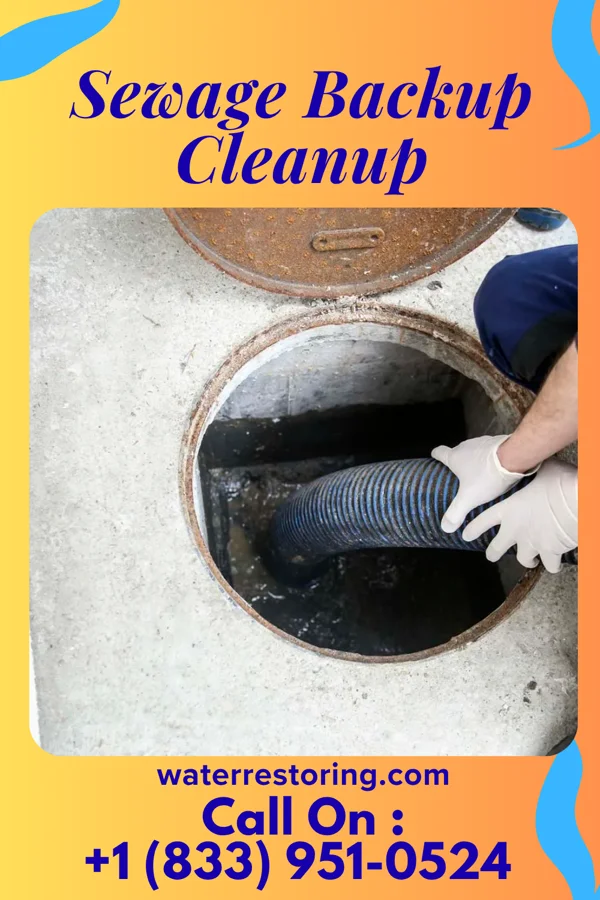
Why Whitestone Sewage Backups Are Hazardous
Most water damage emergencies in Whitestone start with permafrost thaw shifting and cracking sewer lines. From the second water touches the property, every minute changes what gets saved and what gets ripped out.
Whitestone's permafrost thaw during spring and summer causes ground movement, leading to cracked and damaged sewer lines. This results in frequent sewage backups, especially in areas with older infrastructure. The thaw season increases the risk of water infiltration into the sewer system, creating a high likelihood of contamination and property damage.
Most sewage backup cleanup calls in Whitestone come from permafrost thaw shifting and cracking sewer lines. Local mold risk: 72+ hours
For public guidance on the health effects of mold after prolonged water exposure, see the EPA mold and health page.